

Austria has been one of Europe’s most established ski destinations for generations. Yet every winter, we see travellers arrive with the wrong expectations – and leave feeling they didn’t quite unlock the full experience.
At Alpenature, we design and coordinate ski trips across Austria’s major alpine regions, from Arlberg to Tyrol and Salzburg. After years of hands-on planning during peak Christmas weeks, February holidays, and powder cycles, we’ve noticed the same avoidable mistakes repeat themselves.
Ski travel has changed. Resorts are busier. Transfers books out earlier. Ski schools fill weeks in advance. The difference between a smooth, memorable trip and a stressful one often comes down to preparation and local understanding – not snow totals.
If you’re planning a ski trip to Austria, here are ten common mistakes, and how to avoid them.
1. Thinking Austria Ski Trips Are Easy to Wing
Austria rewards planning.
Unlike some North American destinations, Austrian ski regions are interconnected and highly seasonal. During peak weeks (Christmas, New Year’s, February school holidays, ski schools and restaurant reservations can book out 6 to 8 weeks in advance.
Fix:
Book accommodation, ski lessons, and transfers early. Confirm dinner reservations before arrival. Peak-season ski vacation planning isn’t optional – it’s essential.
2. Underestimating Transfer Times
Austria looks compact on a map. In winter, it isn’t.
Mountain passes, snow conditions, and train changes add time,especially if your plane lands late in the evening.
Fix:
Arrive during daylight when possible, and pre-book private or scheduled transfers. Avoid late-night arrivals unless you’re staying near the airport. This ensures you have enough time after check-in to get your gear sorted out for a stress-free first day of skiing.
3. Picking the Most Famous Resort Without Context
Names like St. Anton, Ischgl, and Kitzbühel carry reputation, but reputation doesn’t equal fit.
Some resorts favor:
- Advanced off-piste skiers
- Long groomed cruising days
- Party-heavy après-ski
- Family-oriented terrain
Fix:
Choose based on how you ski and what you enjoy while traveling – not just what you’ve heard. Terrain layout matters more than brand recognition.
4. Expecting North American Ski Culture
Austria skis differently – and that’s part of its appeal.
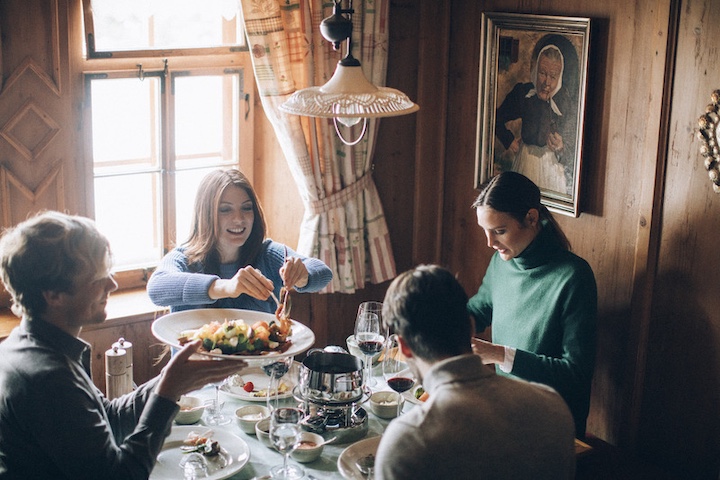
Lunch breaks can be short to maximise riding time or longer to enjoy the food and atmosphere. Mountain huts are central to the experience, and après-ski begins before the lifts close, and sometimes, right after lunch. Skiing is woven into daily alpine life.
Fix:
Stop comparing. Embrace hut lunches, shared tables, and the social rhythm of the mountains. Austria feels different because it is different.
5. Overloading the Itinerary
Trying to ski multiple resorts in one week often backfires.
You lose:
- Time to weather
- Time to transfers
- Familiarity with terrain
- Recovery between big days
Fix:
Stay in one well-chosen base and explore deeply. Austrian ski areas are large enough to fill a full week without relocating. There is always the next season.
6. Ignoring Weather and Snow Cycles
Travellers fixate on snowfall totals and weather forecasts. Austria often delivers through grooming quality and elevation consistency rather than headline storm numbers.
Microclimates vary dramatically even within short distances.
Fix:
Make daily terrain decisions based on current conditions. Flexibility beats chasing forecasts from weeks ago.
7. Assuming All Accommodation Is Ski-In, Ski-Out
Most Austrian villages evolved centuries before ski lifts existed, and that charm comes with layout quirks.“Ski-to-door” may mean a5 to 8 minutes’walk or a slight uphill return.
Fix:
Check exact lift distance, elevation, and ski bus routes before booking. In many villages, ski buses are free with lift passes and run frequently – but knowing that in advance changes your expectations.
8. Treating Après-Ski as Optional
Après-ski isn’t an afterthought in Austria – it’s part of the ski day.Timing matters. Mountain huts fill between 2:30 to 4:30pm, and most only offer reservations until 3pm, so be there on time or risk losing your table. Après-ski on the slopes usually close at 8pm, and you can choose to either take a taxi, walk or ski down in the evening.
Fix:
Plan one or two classic hut stops during your trip, and ask locals where the atmosphere matches your style – relaxed, traditional, or high-energy.
9. Packing the Wrong Gear
Austria favors long, varied ski days.
Most terrain emphasizes:
- Groomed pistes
- Mixed snow conditions
- Sustained vertical
- Comfort over extreme setups
Fix:
Bring versatile all-mountain skis and prioritize boot comfort. Alternatively, you can choose to bring your own ski boots and take your pick from a huge variety of skis to rent. Powder-specific setups aren’t necessary for most weeks and are weather-dependent.
10. Trying to Do It All Without Local Insight
This is the most expensive mistake. Without regional knowledge, travellers often:
- Ski busy slopes at peak times
- Waste time in long lift queues
- Miss quieter lift connections
- Choose the wrong base village
- Lose hours solving avoidable logistics
Fix:
Follow proven ski travel planning dos and don’ts or work with someone who understands Austria’s alpine rhythm firsthand.
Why This Matters
Most ski mistakes in Austria aren’t about ability – they’re about expectations.
Austria rewards travellers who:
- Plan around peak weeks
- Choose the right resort fit
- Understand hut culture
- Respect transfer logistics
- Ski with flexibility
Get those details right, and the mountains do the rest. At Alpenature, our role is simple: remove friction so your ski days are longer, smoother, and more memorable.
Austria is not complicated – it is just different.
Frequently Asked Questions About Skiing in Austria
Is Austria good for beginner skiers?
Yes. Many Austrian resorts offer excellent beginner terrain and structured ski school systems. Choosing the right village and lift zone is key.
Are most Austrian resorts ski-in ski-out?
Yes. Many historic villages have hotels and chalets right on the slopes but some require short walks or ski bus rides. Ski buses are typically efficient and included with lift passes, so it depends on your budget.
When is peak ski season in Austria?
Late December (Christmas/New Year) and February school holidays are the busiest periods. Booking at least 5 months ahead is strongly recommended.
How far are Austrian ski resorts from airports?
Most major resorts are 1 to 3 hours from airports such as Innsbruck, Salzburg, Munich, or Zurich, depending on weather and traffic.


