

When you’re flying in from Singapore, the US, or anywhere outside Europe, you don’t get a mulligan on your ski week. You’ve booked the flights months out, and you need the timing to be right—not just decent. Snow, crowds, and pricing can swing dramatically depending on which week you land in St. Anton, and those differences are worth knowing before you commit.
This guide breaks it down honestly, month by month. And if you need help building the trip around the best window for your group, that’s exactly what Alpenature is set up for—custom ski holiday planning in St. Anton, with no markups and no headaches.
For the full terrain and lift breakdown, the Complete St. Anton Ski Area Guide (2026 Edition) covers everything you need before you arrive.
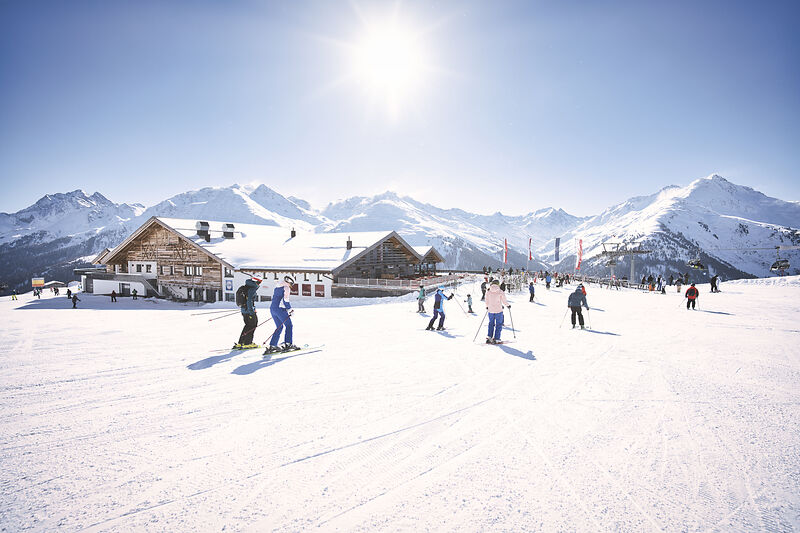
What the Season Looks Like Month by Month
The St. Anton season runs from early December through mid-to-late April—roughly 20 weeks in the full Arlberg domain covering St. Anton, St. Christoph, Stuben, Lech, Zürs, and Warth-Schröcken. That’s over 305km of marked pistes and 88 lifts on a single pass. But each part of that season feels different.
December opens with energy and lower prices. Not all terrain is open, and snow cover at the village level (1,304m) can be thin early on. For travellers who want maximum runs open and reliable conditions, December is a trade-off. But for those who enjoy a quieter atmosphere and more flexible accommodation rates, it’s genuinely underrated. If possible, try to avoid the Christmas holiday period—St. Anton’s first high season.
January is the most snow-reliable month. Cold temperatures hold the base well, and the second week of January is statistically among the snowiest of the season. Once the Christmas and New Year crowd clears out—usually by January 5th or 6th—the slopes genuinely quieten down. For most skiers flying in from Asia or the Americas, mid-January is the single strongest week of the year. Snow is deep, crowds are manageable, and you’re not paying February peak prices.
February is the second-highest season. Austrian and German school holidays run through most of the month, and the mountain reflects it—particularly at the main lifts in the valley. Conditions are usually excellent, but if crowd-free skiing matters to your group, this is the hardest month to navigate without local knowledge on where to go and when.
March (first two weeks) is when a lot of experienced Arlberg visitors quietly book their trips. Once the Austrian half-term ends, the resort exhales. Snow depth is often at its highest base coverage of the whole season, daylight is noticeably longer, and accommodation prices ease back from February levels. North-facing sectors like Rendl and Albona above Stuben hold quality snow well into the afternoon. Depending on the weather conditions, spring skiing may start earlier than expected.
April is something different entirely, with full-on spring skiing with warm sun terraces, shorter lift queues, and the most relaxed pace of the year. Most runs are open, and slopes remain pristine until midday, and conditions are variable, but for travellers who want a taste of the Alps without peak season intensity, it works. It also pairs naturally with non-ski activities like snowshoe hiking, paragliding, and alpine wine tasting, all of which sit well in this slower, sunnier part of the season.
Snow: When You Can Count On It
St. Anton’s position on the northern edge of the Alps means it catches incoming storms early. The mountain climbs from 1,304m at the village to 2,811m at the Valluga summit—that altitude range means high terrain holds snow reliably even when lower runs are variable.
The main route back to the village—Steissbachtal, also known as Happy Valley—faces south and can be icy in the morning and slushy by afternoon, especially from March onwards. It’s worth factoring into your end-of-day planning. Descending via Nasserein and the Nassereinbahn gondola is noticeably calmer and generally holds better surface quality later in the day.
For powder specifically, St. Anton’s 200km of off-piste terrain across the Arlberg domain is genuinely world-class, and January through early February is when it’s at its best. The Valluga routes and Mattun freeride descent get tracked quickly after a dump. Hiring a certified mountain guide isn’t optional for serious off-piste—it’s essential, and it’s the difference between a good day and a great one. Alpenature’s off-piste guiding pairs you with local guides who know exactly where to go after a storm and how to make the most of untracked terrain.
Crowds: The Honest Picture
The busiest weeks are predictable: Christmas and New Year, Austrian school half-term in February, and Easter if it falls in late March. Weekends year-round are busier than weekdays—Munich, Innsbruck, and Zurich fill the village during the weekend.
The quietest windows: mid-January after New Year clears, and the first two weeks of March after Austrian half-term ends. Midweek days in these windows—Tuesday through Thursday—are where you’ll find the closest thing to empty slopes that St. Anton offers.
One practical crowd tip: Rendl, the sector on the opposite side of the valley from the main Galzig/Gampen/Valluga area, consistently runs quieter. Same lift pass, same quality terrain, fewer people. For intermediate groups or anyone who prefers long runs without bunching, building Rendl into the week makes a real difference.
For families or mixed groups including non-skiers, late January and early March are the sweet spots. The beginner zones around Nasserein and Gampen are good, and there’s enough going on in the village—guided night tobogganing at Gampen Station at 1,846m, snowshoe walks, and the indoor facilities—to keep everyone occupied without skiing every day.
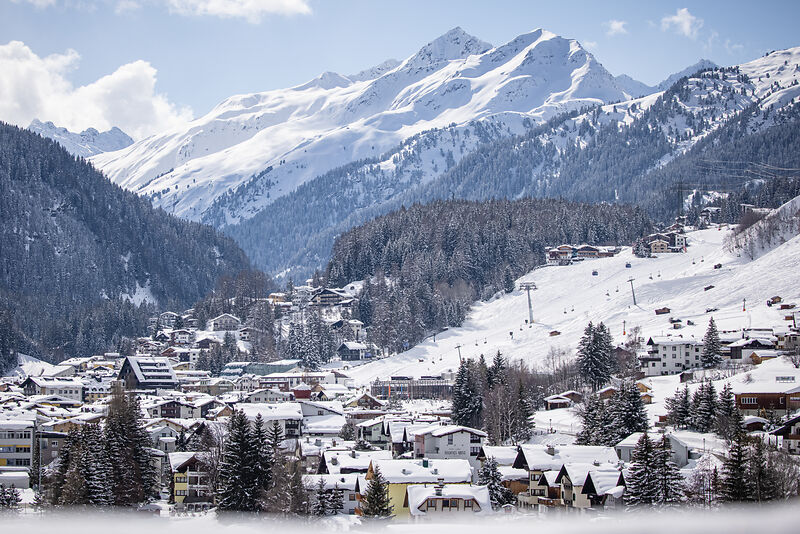
What It Actually Costs
A one-day adult Ski Arlberg lift pass is currently priced from €77.50, depending on the time during the season, covering the full connected domain. Buying online in advance is typically cheaper than queuing and paying at the ticket counter. Always verify current pricing at the official Ski Arlberg site before booking, as rates can adjust within the season.
Accommodation pricing follows a clear pattern: lowest in early December and April, highest over Christmas/New Year and February half-term. Mid-January and early March—the two best windows for snow and crowd levels—also represent the best value for accommodation. That combination of good conditions and fair pricing is why experienced long-haul travellers tend to lock in these windows early.
Match Your Trip to What You’re After
Powder hunters: Mid-January. Be on the lifts when they open at 8:30 am. Book an off-piste guide for at least one day—the difference between tracking powder with local knowledge versus without it is significant.
Best value overall: Mid-January or the first week of March after the Austrian half-term. heavy snow, manageable crowds, and accommodation pricing that hasn’t spiked.
Families or mixed groups: Late January or early March. Quieter slopes, beginner-friendly zones at Nasserein and Gampen, and non-ski activities that work for the whole group.
Intermediate skiers who want open pistes: Mid-January weekdays, or early March. Use Rendl—it’s quieter, the runs are long, and the views are worth it.
Spring skiing and a relaxed pace: Late March to mid-April. Warm sun, soft snow by mid-morning, a local feel to the village, and space to do things beyond skiing.
The Bottom Line
There’s no single best week that works for everyone—but mid-January and the first ten days of March are where snow quality, crowd levels, and pricing align most favourably for most travellers.
If you’re flying in from Asia, the US, or anywhere, that means this is a once-a-season trip. Getting the timing right is worth putting thought into. Alpenature can help you build the whole thing—from the right week to accommodation, transfers, guides, and activities for the whole group. Co-founders Emanuel and Viona know St. Anton well—it’s their home mountain.


