

St. Anton am Arlberg has always been a reputation among serious skiers, but in 2026, it feels more relevant than ever. With unpredictable winters across Europe and growing demand for authentic Alpine experiences, travelers are looking for resorts that combine reliable snow, vast terrain, and genuine mountain culture. St. Anton delivers on all three and more.
At Alpenature, we’ve spent years exploring the Arlberg region, and we consistently point readers to our in-depth look at why St. Anton ski resort is perfect for off-piste skiing because that terrain is what truly sets this destination apart. But St. Anton is not just about powder, it’s a complete ski area with modern lifts, efficient connections, serious vertical, and a village that still feels like a real Austrian mountain town.
If you’re planning a trip this season, here’s what you need to know.
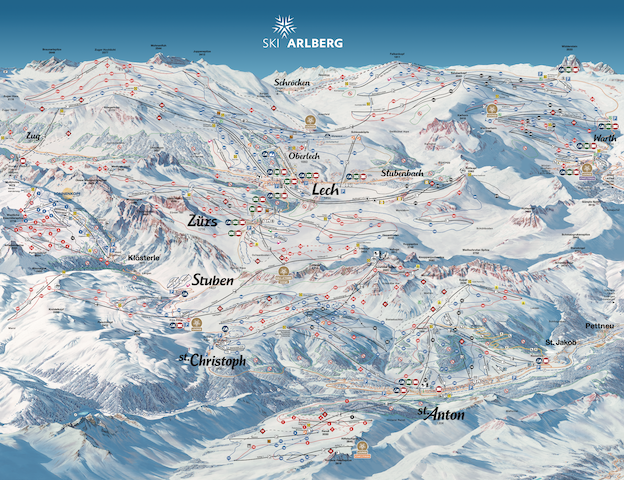
Overview of St. Anton Ski Area
St. Anton is part of the larger Ski Arlberg domain – the biggest interconnected ski area in Austria. Your lift pass covers:
- St. Anton
- St. Christoph
- Stuben
- Lech
- Zürs
- Warth-Schröcken
Altogether, you’re looking at over 300 km of marked pistes and access to some of the most famous 200 km off-piste terrain in the Alps.
For up-to-date lift status, piste maps, and operational details, the official Ski Arlberg website provides real-time information.
Key Stats for 2026
- Elevation: 1,304m (village) to 2,811m (Valluga)
- Vertical drop: Over 1,500m
- Lifts: 85+ across Ski Arlberg
- Snow reliability: Strong, with high-altitude terrain and extensive snowmaking
- Season: Typically early December to late April
The lift infrastructure has continued to modernize, with high-speed gondolas and heated chairlifts improving flow between sectors.
Understanding the Terrain
St. Anton’s terrain is serious. Even though there are beginner areas, this is not a beginner-focused resort, and that’s part of its identity. Beginners will then have great motivation to improve in order to explore other parts of the Arlberg region.
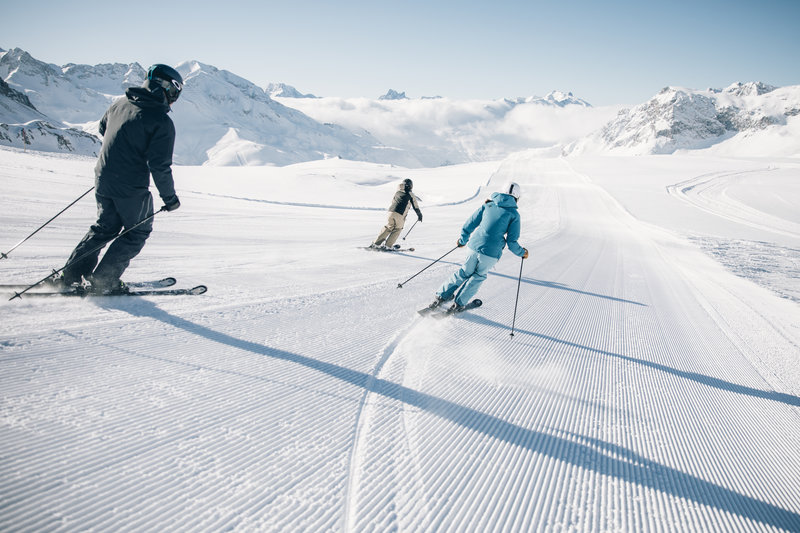
Beginner Terrain
There are beginner areas – especially around Nasserein and Gampen- but St. Anton is better suited for confident intermediates and above. First-timers can learn here, but they’ll need proper instruction and patience navigating busier pistes.
Beginner-friendly zones:
- Nasserein blue slopes
- Gampen beginner lifts
- Dedicated ski school areas near the village
Intermediate Skiing
Intermediates will find long, rolling red runs that stretch for miles. The runs from Kapall and Gampen are particularly enjoyable, offering sustained descents back toward the village.
What makes St. Anton special for intermediates is:
- Long vertical runs
- Varied terrain
- Fun slopes
- Connections to Lech and Zürs for quieter slopes
Advanced and Expert Terrain
This is where St. Anton stands out globally.
From Valluga to Rendl, you’ll find steep groomed blacks, mogul fields, and vast off-piste routes. Many marked black runs would qualify as double blacks elsewhere.
Advanced skiers should explore:
- Valluga North Face (with a guide)
- Schindlerkar
- Mattun
- Rendl sector for quieter expert lines
- Fun park from beginner to expert levels
Off-Piste Skiing: The Arlberg Signature
If there’s one reason St. Anton consistently ranks among Europe’s best ski resorts, it’s the freeride terrain.
The Arlberg region is known for:
- Natural snow accumulations
- North-facing bowls
- Complex alpine terrain
- Accessible sidecountry routes
St. Anton’s off-piste isn’t just a few powder fields – it’s a network of serious alpine descents. If you’re curious about what makes it so unique, our feature on pure pleasure off-piste skiing in St. Anton dives deeper into the routes and conditions that draw advanced skiers back year after year. Important note: Avalanche awareness and local knowledge are essential. Hiring a certified guide is strongly recommended, especially for off-piste riding. Also, only guides are allowed to descend Valluga.
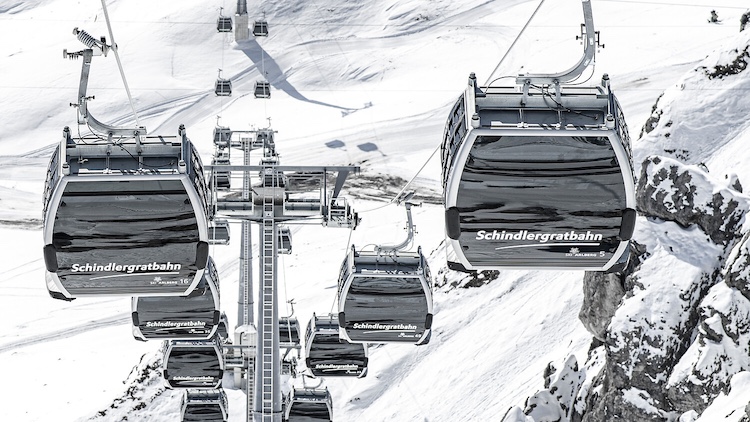
Lift System and Connectivity
The 2016 Flexenbahn connection transformed Ski Arlberg, and by 2026, the integration feels seamless.
From St. Anton, you can ski:
- Across to Zürs and Lech without removing your skis
- Into Warth-Schröcken for snow-rich sectors
- Back to Stuben for quieter terrain
Peak times (mid-morning) can see lift lines at Galzig, but flow improves dramatically once skiers spread across the domain.
Tip: Keep track of the lift’s opening times here, as it changes throughout the season. Major lifts open as early as 8:30 am in February,y and you can already see the lines forming at 8 am. Start early and move outward. Many visitors stay local in the morning and only connect later – you can reverse that pattern.
Best Areas by Skiing Style
For Powder Hunters
- Valluga sector
- Schindlergrat
- Stuben bowls
- Warth after storms
For Long Cruising Runs
- Kapall to St. Anton village
- Schindler all the way down to St. Anton valley
- Lech high alpine runs
For Quieter Skiing
- Rendl sector
- Stuben slopes midweek
- Warth on non-powder days
Snow Conditions and When to Go
St. Anton benefits from its position in the northern Alps. Storm systems frequently hit the Arlberg first.
Best months:
- January: Cold, consistent snow
- February: Reliable coverage, busier weeks
- March: Excellent spring skiing with longer days
Late March and early April can offer exceptional conditions, particularly at higher elevations.
The Village Experience
St. Anton remains a real working Alpine town. It’s lively but not artificial.
You’ll find:
- Traditional Austrian restaurants
- High-energy après-ski bars (MooserWirt and Krazy Kanguruh are legends)
- Boutique hotels and chalets
- A pedestrian-friendly center
Unlike purpose-built resorts, St. Anton has narrow streets, local shops, and a train station right in the center – making arrival straightforward from Zurich or Innsbruck.
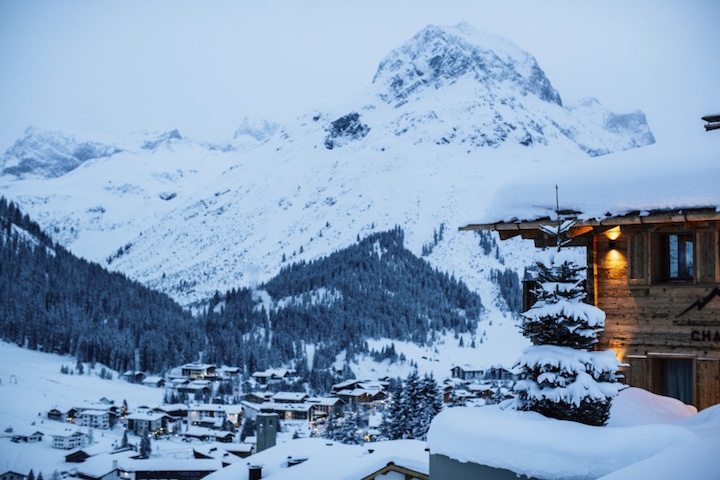
Accommodation: Where to Stay
Near Nasserein
- Convenient lift access
- Slightly quieter atmosphere
- Good for families
Near Galzig
- Central location
- Close to nightlife
- Ideal for experienced skiers
St. Christoph
- Smaller, higher altitude
- More exclusive feel
- Quick access to Valluga
Booking early is essential for peak weeks, especially the December and February holidays.
Getting There
St. Anton is one of the easiest major Alpine resorts to reach by train.
Closest airports:
- Innsbruck (1 hour)
- Zurich (2.5 hours)
- Munich (3 hours)
The train station sits in the village center – no long transfer required.
Is St. Anton Right for You?
St. Anton suits:
- Beginners who want to progress fast
- Strong intermediates and advanced skiers
- Off-piste enthusiasts
- Groups of confident skiers
- Travelers who appreciate traditional Alpine character
It may not be ideal for:
- Nervous beginners
- Travelers seeking a quiet, low-energy resort
- Budget-focused ski trips
Practical Tips for 2026
- Book ski school or guides in advance during high season
- Check avalanche bulletins daily
- Reserve restaurants in advance for the peakweeks
- Consider midweek arrivals for lower flight and hotel rates
Planning ahead makes a significant difference. If you want help structuring your trip, from airport transfers to which sectors to ski each day, our detailed guide on how to make the most of your St. Anton adventure breaks it down step by step.
Final Thoughts
St. Anton isn’t trying to be everything for everyone; it’s a serious mountain with deep roots in ski culture, demanding terrain, and a reputation built over decades. That clarity is part of its appeal.
If you’re a traveler looking for high-altitude skiing, meaningful vertical, and authentic Alpine atmosphere, St. Anton remains one of the strongest choices in Europe for 2026.
Plan well, ski smart, and give yourself time to explore beyond the obvious runs. The Arlberg rewards those who do.


