

Most travellers flying to Austria for a ski holiday get one week. One shot at the right snow, the right terrain, and the right atmosphere. That is not the moment to find out your accommodation requires a resort shuttle every morning, or that the guiding slot you wanted sold out in October.
This guide covers the decisions that actually shape a week in St. Anton—with the specifics that general ski travel advice tends to skip.
Why St. Anton, and What Luxury Actually Means Here
St. Anton is where skiing as a discipline was essentially formalised. Hannes Schneider developed the Arlberg technique here in the early 20th century, and the mountain culture that grew from it is still visible: skiing, taken seriously, with genuine hospitality built around it.
The Ski Arlberg domain covering St. Anton, St. Christoph, Stuben, Lech, Zürs, and Warth-Schröcken—offers over 305 kilometres of marked pistes and 88 lifts on a single pass. What separates it from comparable domains in France or Switzerland isn’t just scale. The villages are actual villages. The Schwarzer Adler has been operating in St. Anton for over a century. The Hospiz Alm wine cellar holds one of the largest collections of Austrian wine in the Alps. These things exist because people have lived and skied here for generations—not because a resort developer thought they would photograph well.
Luxury here means an afternoon on Rendl without a ski school group in sight. A dinner reservation at the Verwallstube that was made in November because someone knew to make it then. A transfer from Innsbruck airport that goes directly to your hotel door. That is different from luxury as a room rating, and it is exactly the kind of planning that determines whether a week feels effortless or like a series of small logistics problems.
For a broader look at how the Arlberg compares to Austria’s other premium ski areas, the best luxury ski resorts in Austria guide covers Lech and Zürs alongside St. Anton and explains why the region consistently outperforms single-resort alternatives.
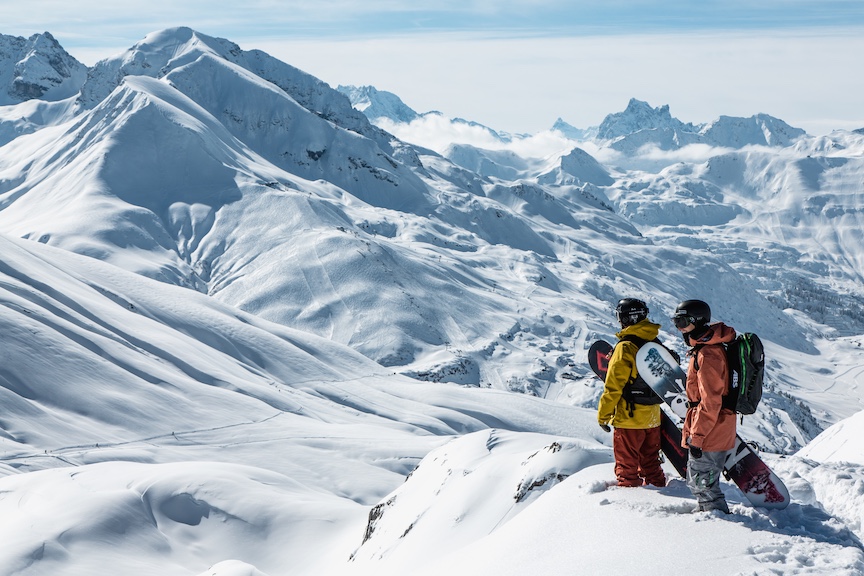
Choosing Your Week: The Decision That Shapes Everything Else
The 2026–2027 season runs from early December through mid-April. Within that window, snow conditions, crowd levels, and accommodation availability do not all peak at the same time.
Mid-January is the strongest window for most international travellers. The Christmas and New Year crowd clears by January 5th or 6th, snowpack is settled, and you are not yet into February pricing. Lift queues at the Galzigbahn are a fraction of what they were a week ago.
February delivers excellent conditions but requires honest planning. Austrian and German school holidays push both prices and lift queues to their peak. Accommodation worth having needs to be booked the previous summer.
Early March has quietly become the preferred window for experienced Arlberg skiers. Easter falls on April 5th in 2027, which means the Austrian half-term ends earlier than usual, leaving March genuinely uncrowded. North-facing terrain on Rendl and Albona holds powder well into the afternoon, days are noticeably longer, and the village pace is more relaxed than at any other point in the season.
The best time to ski in St. Anton: snow, crowds and pricing breakdown go deeper on each period, including which specific weeks to avoid during school holidays.
Accommodation: Why Location Shapes the Entire Week
When choosing a St. Anton ski package, the most important accommodation decision is rarely the hotel category itself—it is where in the village you stay.
Different parts of St. Anton create very different rhythms for the week, and understanding those differences can make all the difference to your overall experience.
The central village and Galzigbahn area suit travellers who want immediate access to the main Arlberg lift network, with restaurants, après-ski venues, and the village centre all within easy reach. For couples and adult groups, this part of the resort offers a lively and well-connected base.
Nasserein offers a calmer setting and is often a more practical choice for families. Its convenient gondola access and gentler surrounding slopes make ski mornings noticeably easier, particularly when travelling with younger children or beginner skiers.
Oberdorf and the elevated village areas appeal to guests seeking a quieter atmosphere, mountain views, and a more relaxed pace. While these properties often offer excellent wellness facilities and greater privacy, transfer access to the lifts is an important detail to consider when planning the week.
Choosing the right location is not simply about convenience—it shapes how naturally each day unfolds.
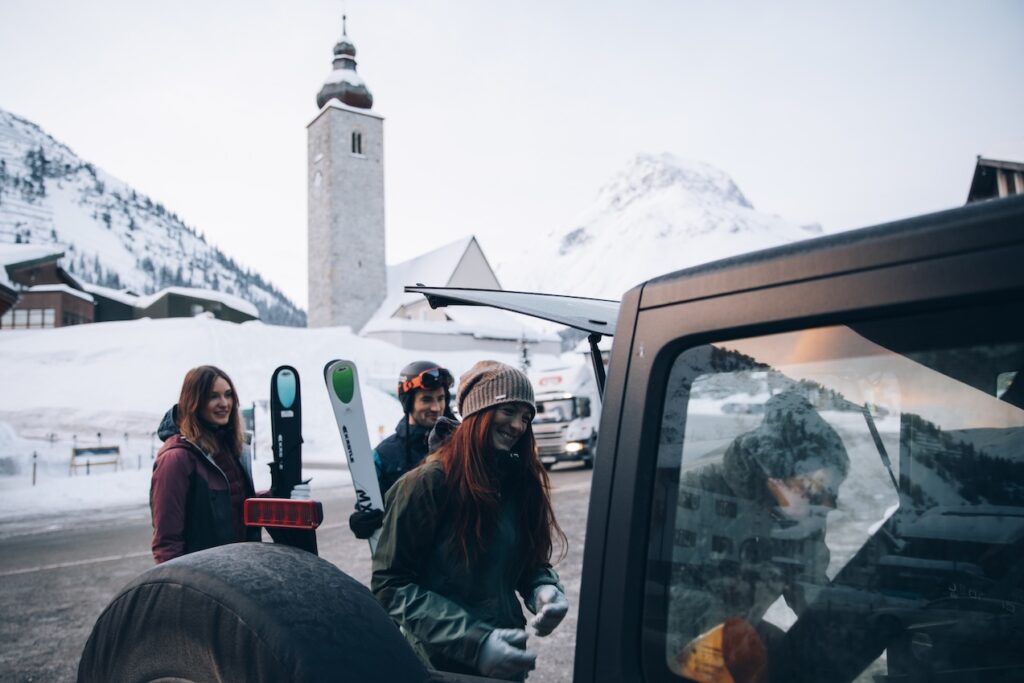
What a Properly-Built Package Includes
Immaculate planning for a stress-free start. A well-timed arrival in St. Anton gives you plenty of time to check in, collect your rental equipment, and settle in before hitting the slopes. Less rushing, more skiing—and a holiday that starts the moment you arrive.
Private transfers arranged in advance. St. Anton is one hour by road from Innsbruck and two and a half hours from Zürich. For groups with ski equipment, pre-arranged private transfers remove the uncertainty that comes with shared shuttles.
Pre-booked equipment. Rental quality in St. Anton is high—shops carry current demo stock from Stöckli, Völkl, and Head. Pre-booked fittings eliminate arrival-day queues and let you specify preferences in advance. Bring your own boots if they are dialled in; leave everything else.
Restaurant reservations made before you arrive. The Verwallstube, Hospiz Alm and several mountain huts worth visiting fill two to three weeks out during peak season. These need to be arranged before you land, not once you have settled in.
Families and Off-Slope Experiences
St. Anton works well for families when the logistics are built around how families actually move through a resort day. Kids’ ski schools offer English-language lessons from age three, with lunch at an additional fee. Advance booking is not needed, but three-year-old kids need to be diaper-free.
Beyond the slopes, the Verwall Valley snowshoe routes and paragliding tandem flights from Kapall are worth planning for, not treating as afterthoughts. The 10 things to do in St. Anton besides skiing covers what is available and when to book. For families specifically, the guide to planning a ski trip with kids covers accommodation and ski school decisions in detail.
Why Local Planning Makes the Difference
Booking platforms compare prices. They cannot tell you which ski lifts have shorter morning queues in February, which ski or snowboard guide has the personality that matches yours and your friends’, or which part of the restaurant has the best view of the Alps.
Alpenature is based in St. Anton, and builds every itinerary around how your group actually wants to ski and what the week looks like beyond the slopes. The 2026–2027 booking window for the best weeks is already open—the right time to plan is before the accommodation and guiding slots you actually want are gone.


