

Every winter, the same question lands in our inbox—where should we ski in Austria? And every year, our answer stays the same. If you want picture-perfect villages and gentle slopes, Austria has dozens of great options. But if you want skiing that gets your heart pounding and your legs burning, there’s really only one conversation to have.
Let’s talk about St. Anton.
Before we get there, though, it’s worth understanding why Austria’s ski resorts deserve your attention in the first place.
Austria Does Skiing Differently
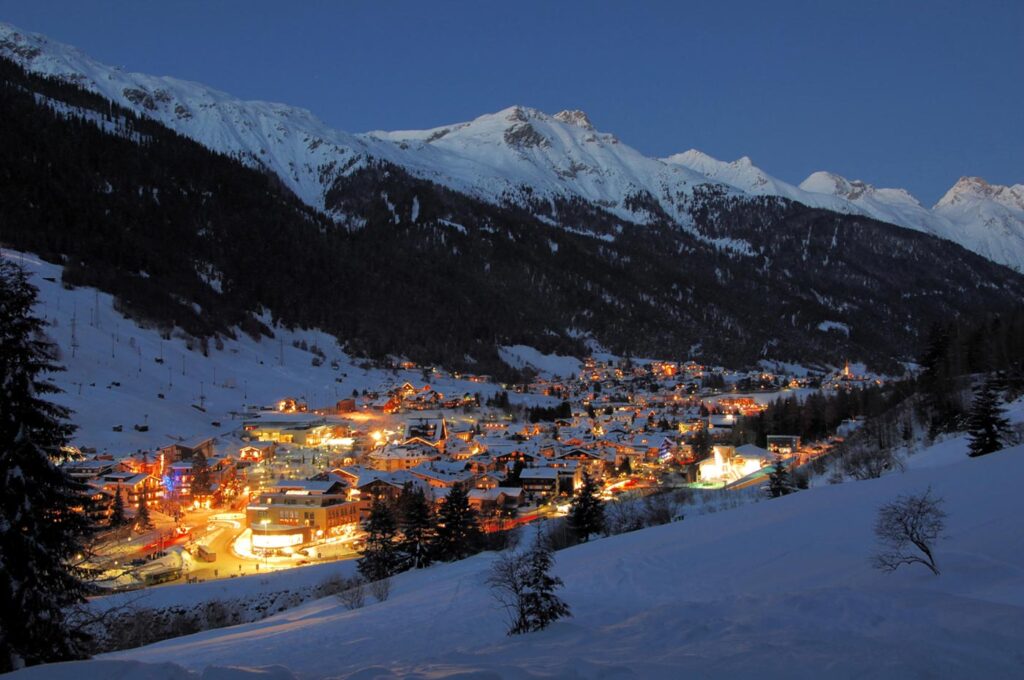
There’s a feeling you get in Austrian ski villages that’s hard to find in France or Switzerland. It’s less corporate, less sterile. You walk out of your hotel, and there’s a guy hand-carving wooden signs across the street. The bakery opens at 5 am., and the bread is still warm; kids are skiing to school.
Skiing here isn’t an industry bolted onto a mountain; it grew up with the mountain. That matters because it shapes everything—how the runs are maintained, how the lifts connect, how the restaurants cook. Austrian resorts feel lived-in, not manufactured.
The snow helps too. The northern Alps catch weather systems rolling in from the Atlantic, and places like the Arlberg region sit right in the sweet spot. Heavy dumps in January, reliable coverage through March, and altitude that keeps things cold when lower resorts turn to slush.
How Austria’s Top Resorts Stack Up
Here’s a quick comparison of the resorts that come up most often when skiers plan an Austrian trip:
| Resort | Piste Kilometres | Top Altitude | Strongest Suit | Off-Piste Terrain |
|---|---|---|---|---|
| St. Anton (Arlberg) | 305 km | 2,811 m | Expert terrain, freeride culture | Outstanding |
| Kitzbühel | 170 km | 2,000 m | Charming town, mixed terrain | Decent |
| Ischgl | 239 km | 2,872 m | Big area, lively nightlife | Average |
| Lech-Zürs | Part of Arlberg, 305 km | 2,811 m | Luxury feel, groomed perfection | Very good |
| Sölden | 144 km | 3,340 m | Glacier access, long season | Average |
| Mayrhofen | 142 km | 2,500 m | Steep groomers, younger vibe | Decent |
They’re all worth visiting. Our team has had fantastic days at Kitzbühel and Sölden both, but when we’re being honest about where we’d send a strong skier for a full week, St. Anton wins every time. Here’s why.
What Makes St. Anton Different From Everything Else
The Mountain Doesn’t Hold Your Hand
Some resorts ease you in. Gentle blues at the bottom, a few reds in the middle, and one token black run they slap on the trail map for marketing. St. Anton isn’t built that way.
From the moment you step off the Galzigbahn, the mountain throws real terrain at you. Long, sustained pitches that demand proper turns. Narrow chutes between rock bands. Traverses where you need to commit and trust your edges. The St. Anton ski area guide maps all of this out, and honestly, the first time you look at it, it’s a bit overwhelming in the best possible way.
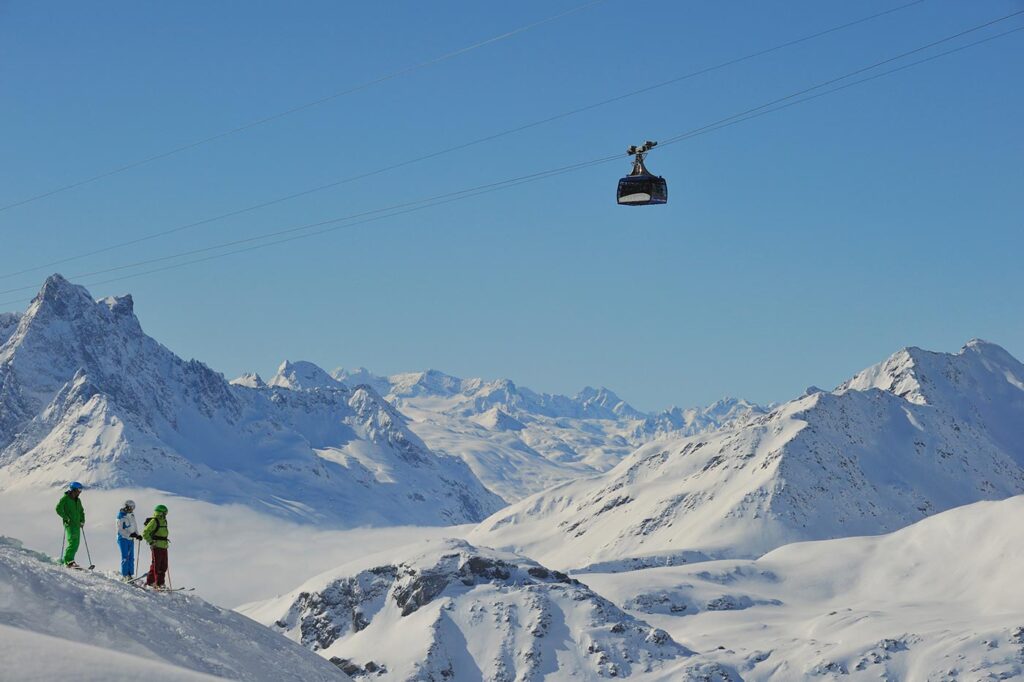
The Valluga peak tops out at 2,811 metres. Getting there involves a small cable car that only takes four people at a time, and you need a guide to access the backside. That tells you everything about this place—earned turns, earned views.
Off-Piste That Keeps Skiers Coming Back for Years
We know skiers who’ve visited St. Anton eight or nine seasons running and still haven’t skied everything. The off-piste terrain is that deep.
You’re not sneaking through a gap in the fence to find a powder stash here. The backcountry is woven into the fabric of the resort. North-facing bowls above Stuben that hold powder for days after a storm. Tree runs below Albona where the snow stays soft and sheltered. Wide-open faces off the Rendl that feel like you’re alone in the wilderness, even though you took a lift to get there.
If freeriding is your thing—and we mean really your thing—our piece on off-piste skiing in St. Anton is worth reading before you book anything. It’ll change how you think about the trip.
The Arlberg Connection Gives You Range
St. Anton is part of something bigger. The Arlberg ski region links it to Lech, Zürs, Warth, and Stuben—over 300 kilometres of interconnected runs on one lift pass. You can spend a morning ripping steep lines above St. Anton and then cruise across to Lech for a long, sunny lunch on a terrace overlooking perfectly groomed corduroy.
That contrast is rare. Most big ski areas feel the same everywhere you go. The Arlberg changes character valley to valley, which keeps a week-long trip interesting in a way that many mega-resorts simply can’t match.
Getting the Timing Right
When you go matters almost as much as where you go. We’ve seen St. Anton on a bluebird January morning with fresh snow and empty lifts. We’ve also seen it during Christmas week when the village is rammed, and the main runs look like a motorway.
January and early February tend to hit the sweet spot. Cold temperatures lock in the snowpack, crowds thin out after the holidays, and you can actually ski the Valluga without queuing for 40 minutes. March brings warmer days and spring snow—brilliant for those big off-piste descents when the corn softens up in the afternoon sun.
For the full picture on snow conditions, pricing, and crowd levels, have a look at our best time to ski in St. Anton breakdown. It’s saved more than a few travellers from booking during the most expensive weeks of the season.
Putting the Trip Together Properly
Here’s something our team has learned over the years:a great resort doesn’t guarantee a great trip. Where you stay, which lifts you’re near, whether you’ve booked a guide for the first morning—these details turn a good holiday into a brilliant one.
St. Anton has options ranging from cosy guesthouses to proper luxury chalets with private chefs. If you’re leaning toward the higher end, our guide to a luxury ski holiday in Austria walks through everything from transfers to dining without the usual sales pitch.
For the nuts and bolts, like getting there, what to pack and how to structure your days, the ski travel planner is genuinely useful. We built it because we wished something like it existed when we started organising ski trips.
FAQs
Which is the best ski resort in Austria for advanced skiers?
St. Anton, without much debate. The steeps are real, the off-piste is world-class, and the Arlberg connection means you won’t get bored even after a full week. Kitzbühel and Mayrhofen have their moments, but neither matches St. Anton’s depth of challenging terrain.
Why is St. Anton one of the best ski resorts in Austria?
Three things set it apart—the sheer variety of expert terrain, the backcountry access straight from the lifts, and a village that still feels like a proper mountain town rather than a resort designed by committee. Add reliable snowfall and the Arlberg lift pass, and it’s hard to argue against it.
What is the best Austrian ski resort for off-piste skiing?
St. Anton, and it’s not particularly close. The combination of lift-accessed backcountry, north-facing powder bowls, and a strong local guiding culture makes it the top freeride destination in Austria.
Where should experienced skiers ski in Austria?
Start with St. Anton and the Arlberg. If you’ve already done that, Kitzbühel’s Hahnenkamm and the steep terrain around Mayrhofen are worth a look. Sölden works well for early and late seasons when the glacier is in play.
What is the best time to visit St. Anton for skiing?
January to mid-February for the deepest snow and fewest people. March if you prefer longer days, spring snow, and slightly lower prices. Avoid the week between Christmas and New Year unless you’ve got a strong tolerance for crowds. Peak seasons are special indeed with Christmas markets and fireworks, but do book your accommodation at least 6 months in advance.
Ready to Hit the Slopes?
If St. Anton sounds like your kind of mountain, the next step is figuring out the details. The right accommodation, the right week, and a plan that makes the most of the terrain you’re there for.
Take a look at the St. Anton ski holiday package options here at Alpenature. Whether you’re organising a trip for two or a group of ten, we’ll help you put something together that actually fits how you ski—not just where you sleep.
See you on the mountains.


