

Planning your first St. Anton ski trip? The lift pass situation is one of those things that looks more complicated than it actually is. One pass, multiple resorts, day rates, multi-day rates, season rates, family deals, add-ons. The online shop isn’t even open yet. And half the pricing information out there is from last season with no clear label telling you so.
This guide covers what the Arlberg Pass includes, what it costs, and which option fits your trip length.
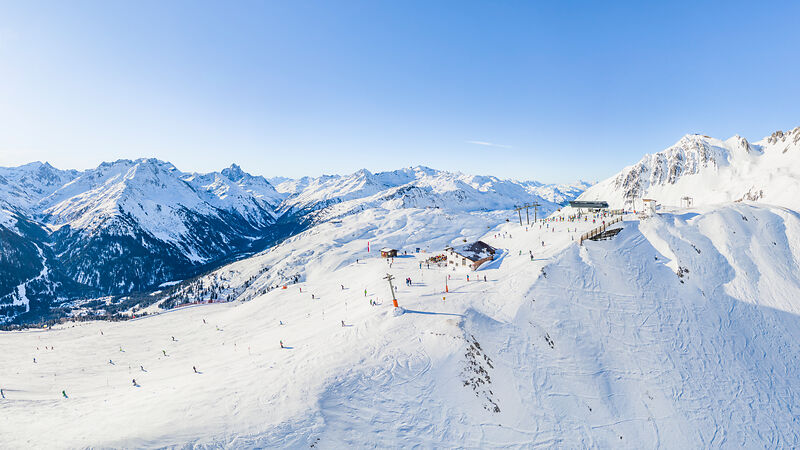
What the Arlberg Pass Actually Covers
One Pass, One Interconnected Domain
The Arlberg ski pass is a single ticket covering the entire interconnected ski area. Here’s what that includes:
- 85 lifts and cable cars across 9 resort areas
- ~300 km of marked pistes
- ~200 km of documented off-piste terrain
- Full access to St. Anton, St. Christoph, Stuben, Lech, Zürs, Warth-Schröcken, Klösterle/Sonnenkopf, Pettneu, and the Lechtal
You don’t buy a pass for one village and then pay extra to ski the next valley. One transaction, full access. You can start your morning in St. Anton, ski over to Lech for lunch, push through to Warth after that, and ride lifts back before the end of the day. Modern lift connections between valleys have made this genuinely doable rather than theoretical.
Most week-long visitors don’t manage to ski every sector. The Warth-Schröcken end alone could fill a full day, and the high-alpine terrain above St. Christoph and Stuben feels completely different from the cruising runs around Lech. If you’re still getting oriented on the resort itself, our St. Anton page is a good starting point before you dig into pass specifics.
Terrain by Ability Level
The domain works for a wide range of skiers, and the pass doesn’t restrict access by difficulty. Every marked run and every lift is included:
- Beginners: Nasserein and Gampen areas in St. Anton, plus the wide blues above Lech
- Intermediates: Full valley-to-valley cruising using modern gondola connections
- Advanced/Expert: Steep marked runs off the Valluga and Schindler peaks, plus 200km of off-piste terrain
Whatever your level, the pass covers all of it on one ticket. You don’t need separate passes for different terrain tiers. Mixed-ability groups benefit particularly here, since everyone can ski the same domain and regroup easily at shared lift stations.
Lift Infrastructure
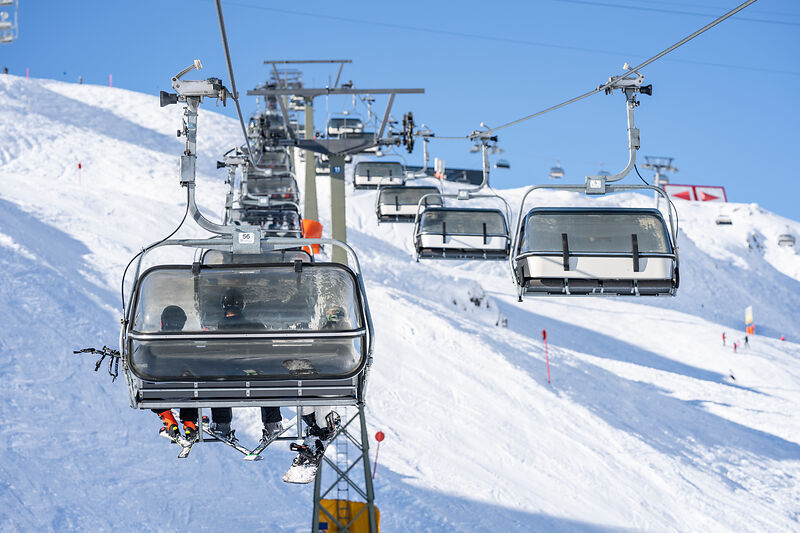
The lifts have kept pace with the terrain. High-speed gondolas, heated chairlifts, and covered magic carpets for beginners all run on the same single pass. The system is designed to move skiers efficiently between sectors, and the ongoing investment in modern lift infrastructure across the domain shows.
The Flexenbahn connection between St. Anton and Lech deserves a specific mention. It replaced what used to be a bus ride with a direct lift link, opening up serious day-long touring routes across the full domain. That single connection changed how most people experience the Arlberg.
There’s also a practical benefit that’s easy to overlook: with 85 lifts spread across multiple valleys, queues distribute naturally. Even during the busiest weeks in February, you can find quieter sectors by heading toward Warth or Stuben while the crowds concentrate around St. Anton’s Galzigbahn and the Lech gondola.
All of this sits under one pass, and understanding the layout helps you get more out of it. For the full picture of every lift, zone, and terrain type, see our St. Anton ski area guide. It shows connections between sectors and covers what each area actually feels like on the ground.
St. Anton Ski Pass Prices: What to Expect for 2026/27
Current Pricing Status
As of writing, Ski Arlberg has not published confirmed prices for the 2026/27 season. Their online shop doesn’t open until 27 November 2026, and the rates on the official site are still marked as provisional.
The figures below are the most recently published (2025/26) reference prices. Expect 2026/27 numbers to land in a similar range, possibly with a small increase.
2025/26 Reference Prices
| Pass Type | Price |
| Adult day pass | €81.50 |
| Teen/Senior day pass | €75 |
| Child day pass | €49 |
| Adult season pass | €1,223 |
Multi-day passes bring the per-day cost down noticeably. A week-long pass drops well below the single-day rate. You can check the official Ski Arlberg pricing page for the full rate card once 2026/27 numbers go live.
Family Bonus
Families with 3 or more children get a significant discount on season passes. When at least one parent and two children purchase season passes, the third child and every younger sibling get theirs free. It’s one of the better family deals in the Alps and worth factoring in if you’re visiting as a large family group.
Snowman Pass
For families with younger children, the deals are even better. Children under the age of 8 can have a season pass for only €11. This purchase can only be made directly at the ticket counters, where you need to present your child’s passport and have his photo taken for the lift pass.
Seasonal Price Variation
Pass prices can vary by when you visit. Shoulder weeks at the start and end of the season tend to be cheaper, while school holiday periods typically carry peak pricing.
The difference between peak and off-peak can be significant, not just on the pass but on accommodation and flights too. Timing your trip around the quieter windows stretches your budget a lot further. For the full month-by-month picture, see our pricing breakdown by month.
Which Pass to Actually Buy
This depends almost entirely on how many days you’re skiing.
| Trip Length | Recommended Pass | Why |
| 1-3 days | Day or short multi-day pass | Higher per-day cost, but no point locking into a longer pass if you’re mixing ski days with village days |
| 4-7 days | Multi-day pass (6- or 7-day) | The sweet spot. Meaningful discount over buying day-by-day, and enough time to explore the full Arlberg domain |
| 8+ days/repeat visitors | Season pass | At €1,223, you break even at roughly 15 ski days. Two trips in one season usually cover it |
The Arlberg Safety Card
Regardless of which pass you choose, consider this add-on, which provides helicopter rescue backup in case of an accident on the mountain.
- Up to 8 days: €20
- 9+ days or season pass: €35
Mountain rescue in Austria isn’t automatically free, and this is sensible insurance for anyone venturing into the off-piste terrain.
How and When to Buy Your Pass
Key dates and details:
- Online shop opens: 27 November 2026
- Online vs. window: Buying online is typically cheaper and avoids queuing on your first morning
- Ticket kiosks: Usually located right next to the ticket counters, and for purchases of standard day passes and payment by card.
- Local hotels: For convenience, lift passes can also be bought via most hotels. Simply ask upon check-in.
- Chip card: You’ll get one (or reuse an old one). Small refundable deposit of €5. Keep it in your jacket pocket; scanners read through fabric. No need to pull it out at each gate
- Early-bird pricing: Available in past seasons. Check the official site after late November for current terms and any advance purchase discounts
Where a Ski Holiday Planner Fits In
Alpenature doesn’t sell lift passes directly. But if you’re booking a full trip to St. Anton, pass sourcing is part of the package. Our ski holiday planner includes lift pass sourcing alongside accommodation, airport transfers, ski lessons, and gear rental. We match you to the right pass type for your dates, group size, and ability level.
Why Local Knowledge Helps with the Lift Pass
This is especially useful for families or mixed-ability groups needing different setups. Rather than piecing together passes, lessons, and logistics separately, everything gets sorted as one package. The planning team is based in St. Anton and rides the same mountain they’re advising you on.
The pass question is a good example of why local knowledge matters. Someone who skis the Arlberg regularly can tell you whether a 5-day or 6-day pass makes more sense based on your group’s fitness, your arrival time on day one, and whether you’ll want a rest day midweek. Those small decisions add up across a full holiday budget.
It also helps to have someone who knows the system’s quirks: how the family bonus applies, which add-ons are actually worth buying, and whether to go for the early-booking window or wait for late-season deals. None of this is especially complicated, but sorting it all yourself while also booking flights, accommodation, and lessons takes time you could spend doing something more enjoyable.
Wrapping Up
The Arlberg pass system is straightforward once you see it laid out:
- One pass covers everything
- Pricing scales with trip length
- Family bonus, Safety Card, and early booking options let you tailor the cost
Get the pass sorted early, plan the rest around it, and you’ll spend your first morning on the Galzigbahn instead of in a ticket queue.
But the lift pass is really just one piece of putting a full trip together. Once it’s sorted, everything else falls into place more easily. Here’s how to choose the right St. Anton ski holiday packages for everything else, from accommodation and guiding to transfers.


