

Nobody’s ski trip has ever been ruined by forgetting a phone charger. It gets ruined by the wrong base layer, no neck warmer at minus fifteen, or a suitcase so heavy you’re paying excess baggage before you’ve even touched snow.
This is everything you actually need to pack for a ski holiday in Austria and a few things you should quietly leave in the wardrobe. The list is built for the Arlberg region and St. Anton specifically, but it works for any resort in the Austrian Alps.
What you pack depends partly on when you travel; here’s our month-by-month breakdown of the best time to ski in St Anton.
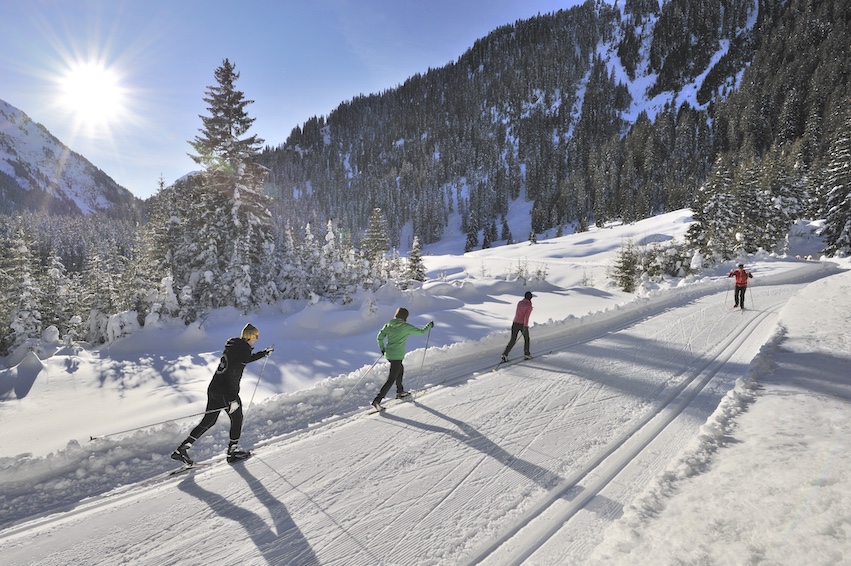
The Layering System That Actually Works
Austrian resorts are colder than you think in January and warmer than you’d expect in March. The answer isn’t packing for both; it’s packing layers that adapt. 3 layers are the rule. 4 is for show-offs who don’t ski hard enough to generate their own heat.
Base layer: Merino wool or a quality synthetic. Cotton kills warmth the moment you sweat, which you will, even at altitude. Pack two sets, so you’re never wearing yesterday’s damp base layer.
Mid layer: A fleece or lightweight down jacket. This is your temperature dial on a sunny March afternoon; you’ll ski without it. On a January powder day, you’ll want it zipped to your chin.
Outer layer: Waterproof, windproof ski jacket and trousers. Not ‘water-resistant’, not ‘showerproof’. Waterproof. Austria gets serious snow, and when the weather turns, you’ll be grateful for a sealed outer shell. If your jacket is older than your phone contract, it’s probably lost its waterproofing.
What to Bring vs What to Rent: The Honest Breakdown
One of the biggest packing mistakes for a ski trip to Austria is bringing gear that’s cheaper and easier to rent on arrival. St. Anton has excellent rental shops; the equipment is current-season and properly maintained. Here’s how to decide:
| Item | Bring from Home | Rent in Resort |
| Skis / Snowboard | Only if you own high-end gear you’re particular about | Yes, rental is the smart default. No airline damage risk, no hauling. |
| Boots | Your own boots if they’re properly fitted | Possible, but rental boots rarely fit as well. Bring yours. |
| Helmet | Bring if you own one; it’s moulded to your head | Available at every rental shop. Fine for most skiers. |
| Ski jacket & trousers | Bring your own; you’ll want the fit and pockets you know | Available but limited sizes. Not recommended. |
| Poles | Leave at home | Always rent. They’re dead weight in luggage. |
| Goggles | Bring your own; prescription or comfort matters | Rental quality varies. Bring yours. |
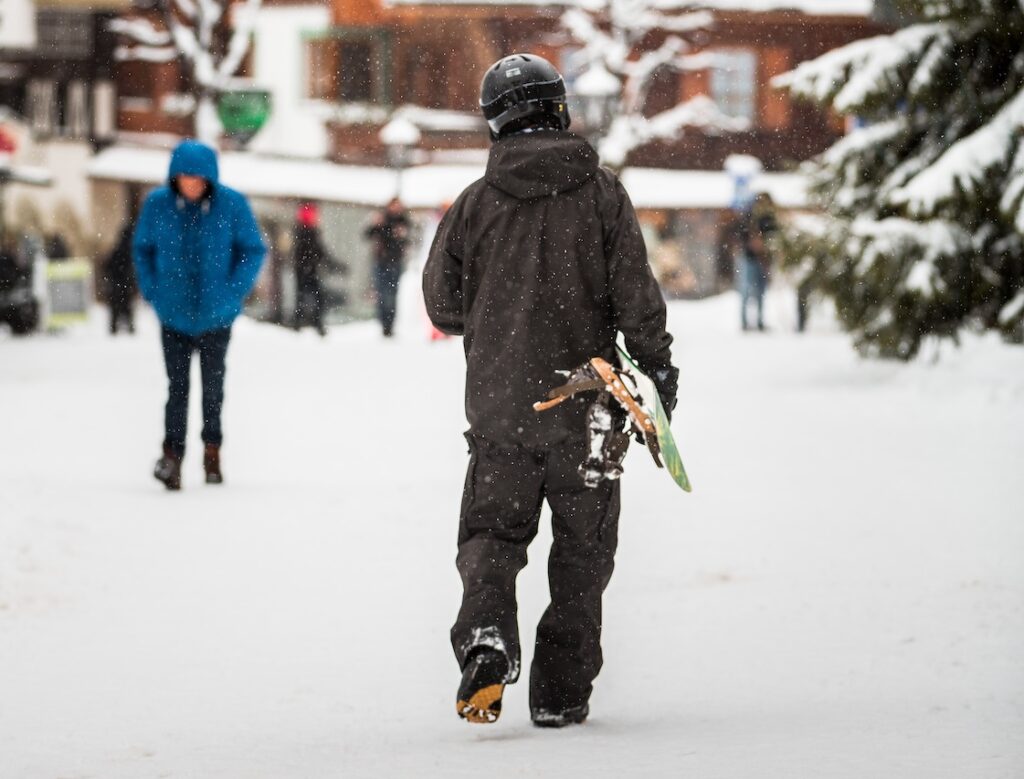
The Essentials Checklist: Everything That Goes in the Bag
On the Mountain
Ski goggles: bring a spare lens or a second pair with a low-light lens for flat-light days. Austria’s overcast afternoons can turn the piste into a featureless white sheet without the right tint.
Sunglasses: for the gondola, for lunch on the terrace, for the walk back to the hotel. Not optional.
Sunscreen (SPF 50) and lip balm with SPF: altitude plus snow glare will burn your face in ways that feel unfair. Reapply at lunch.
Neck warmer or balaclava: not a scarf. Scarves come loose, flap around, and have no place on a mountain. A proper neck gaiter stays put and covers the gap between your helmet and jacket.
Gloves (2 pairs): one warm, waterproof pair for the slopes and one thinner pair for milder days or spring skiing. Wet gloves at lunch are a misery nobody needs.
Ski socks: 2 or 3 pairs, specifically designed for skiing. They’re thinner than you’d expect, and that’s the point. Thick hiking socks bunch up inside ski boots and cut off circulation, the fastest way to cold feet.
Hand and toe warmers are small, light, cheap, and worth their weight in gold on a cold Arlberg morning. Tuck a few into your jacket pockets.
Helmet: non-negotiable, whether you bring your own or rent. Austrian slopes are well-managed, but speed, ice patches, and other skiers are not.
Small backpack: a 20-litre day pack for water, sunscreen, a spare layer, and your phone. Not a rucksack. Not a handbag.
Off the Mountain
Comfortable walking shoes or snow boots: St. Anton’s village is walkable, but the pavements are icy, and nobody looks graceful in ski boots at dinner. A pair of insulated, non-slip boots is the most useful thing in your bag after your ski jacket.
One smart-casual outfit: Austria’s mountain restaurants and wine bars aren’t flip-flop-and-shorts territory. You don’t need a suit. You do need something that doesn’t have a lift pass dangling from it.
Swimwear: for the hotel pool, the spa, or the Arlberg-well.com wellness centre. People always forget this and end up buying overpriced trunks from a sports shop.
Reusable water bottle: altitude dehydrates you faster than you notice. Austrian tap water is excellent and free.
The Small Stuff That Makes the Difference
A European plug adapter (Type C or F) if you’re coming from outside Europe. A portable charger; cold drains phone batteries absurdly fast. A dry bag or large zip-lock for wet gear at the end of the day. And a small first-aid kit: blister plasters, ibuprofen, and muscle tape. You probably won’t need it. But if you do, the nearest pharmacy is at the bottom of the mountain, not the top.
What to Leave at Home
Overpacking is one of the most common ski travel mistakes first-timers make, and it’s not the only one.
Leave your own skis and poles at home unless you’re a competitive or expert skier with a specific setup. Airline ski bag fees, the risk of damage, and the hassle of lugging a 170cm bag through Zurich or Innsbruck airport are not worth it. Austrian rental gear is excellent.
Leave the jeans. They’re heavy, they take forever to dry, and they occupy luggage space you need for layers. One pair maximum, and only if you refuse to eat dinner without them.
Leave cotton thermals. They absorb sweat instead of wicking it. On a cold lift ride, damp cotton against your skin drops your body temperature faster than no base layer at all. Merino or synthetic nothing else.
Leave the hairdryer and the travel iron. Every Austrian hotel and guesthouse provides these. Pack that space with something you’ll actually need on the mountain.
Packing for Kids: A Few Extra Notes
Everything above applies, scaled down. But a few kid-specific additions: pack more base layers than you think they’ll need (children get wet faster and complain louder), bring their own helmet (rental helmets for small heads are hit-or-miss), and throw in a spare pair of warm gloves. Small hands get cold first, and a crying child on a chairlift is a holiday memory nobody wants.
Also bring snacks. Austrian mountain restaurants are excellent, but kids don’t always agree, and a hangry 6-year-old at 2,000 metres doesn’t care about the Kaiserschmarrn.
Can You Do It in One Bag?
If you’re renting skis and boots, yes. A well-packed 65-litre bag handles a week’s ski holiday in Austria without checked ski luggage. Wear your bulkiest items on the plane: ski jacket, snow boots, the mid-layer. Roll your base layers. Stuff socks inside your helmet. And leave room for the bottle of Grüner Veltliner you’re inevitably bringing home.
You’ve Packed. Now Plan the Rest.
Once you’ve packed, plan your days with our 7-day ski itinerary for Austria.
Need help planning the rest? Our ski holiday planner handles everything beyond the suitcase — accommodation, lift passes, transfers, and local guides. You focus on the packing list. We’ll focus on the holiday.


