

Here’s the question we get more than any other from people booking their first Austrian ski trip: which resort should I pick?
Wrong question, honestly. The one that actually decides whether your trip works is when you go. Land in the wrong week and you’re either paying triple for a hotel room or staring at bare grass where the beginner slope should be.
So let’s get into it, month by month, so you know exactly what you’re walking into before you book flights.
First, the basics
The Austrian ski season stretches from early December to somewhere around mid or late April. In a resort like St. Anton am Arlberg, that’s close to 20 weeks of lift-served skiing.
Sounds simple enough, except those 20 weeks are wildly different from each other. One week, the village is dead quiet, and you’ve got runs to yourself. Two weeks later, it’s shoulder to shoulder in the lift line, and every restaurant needs a reservation.
If you want the nitty-gritty, exact weeks to book and exact weeks to dodge, we’ve laid all of that out in our best time to ski in St. Anton breakdown. Consider this article the map and that one the compass.
December: Quiet Slopes, Lower Prices
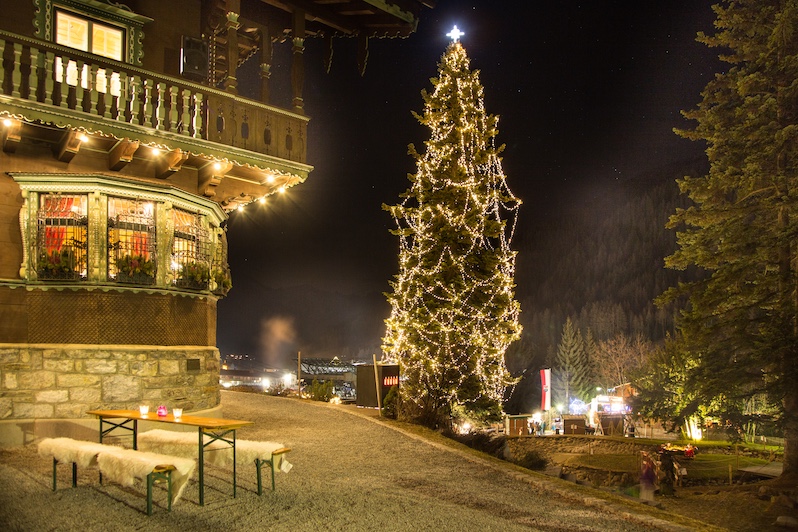
December has a nice buzz to it. Christmas markets, string lights over the main street, that first-snow feeling everyone chases. Lift queues are short too, at least for the first few weeks.
The catch? Snow lower down the mountain can be patchy this early in the season, so you’re often better off sticking to higher runs until things build up properly.
There’s one week to just avoid outright if you can help it: Christmas through New Year. Prices spike, the whole village fills up, and it’s the busiest stretch of the entire month by a wide margin.
Early to mid-December is the real find here. Same festive feel, none of the markup. We go into more depth on this in our Christmas ski resorts piece if that’s the kind of trip you’re after.
December at a glance:
- Short lift lines, low prices, festive atmosphere
- Lower-mountain snow can be patchy early on
- Avoid Christmas through New Year if you can
- Higher terrain skis better than the valley floor
January: The Snow Sweet Spot
Once the New Year crowd clears, usually right around the first week of January, something shifts. The mountain empties out, and the snow gets serious.
This is the month locals point to when someone asks about reliability. Cold temperatures keep the base locked in, and the second week of January tends to be one of the snowiest stretches all season.
If you’re flying in from the States or from Asia, this is arguably your best shot. Deep snow, short lines, and none of the school holiday chaos.
January at a glance:
- Most snow-reliable month of the season
- Crowds thin out fast after the first week of January
- Second week of January is statistically the snowiest
- Best pick for long-haul travelers chasing fresh snow
February: Peak Season, Peak Everything
This is peak season, full stop. Snow conditions are usually fantastic, but so is everything else, including the price tag and the lift queues.
Austrian and German school holidays fall here, and that’s what tips the scales. Hotels get booked out well in advance, and slopes that felt empty in January suddenly feel crowded.
Families tend to gravitate here anyway, since it lines up with school breaks back home. If that’s you, plan early and lock in ski school spots ahead of time. Our guide on booking kids’ ski school in St. Anton walks through what actually matters when picking lessons.
February at a glance:
- Excellent snow, but the busiest and priciest month
- Austrian and German school holidays drive the crowds
- Book accommodation and ski school well in advance
- Good fit for families tied to school break dates
March: The Balanced Choice
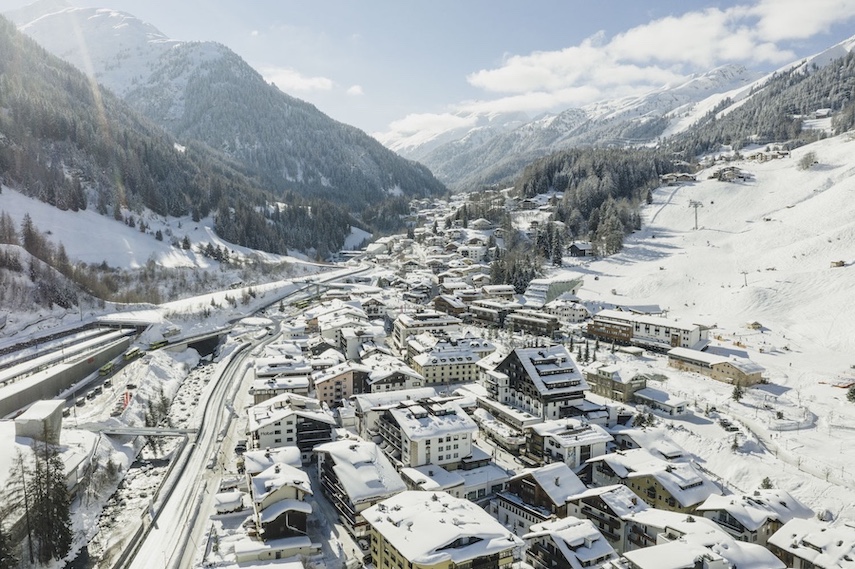
March quietly wins over a lot of experienced skiers, and for good reason. Days stretch out longer, the snowpack holds up well at altitude, and once February’s school holidays wrap up, the village slows right back down.
North-facing slopes especially hang onto powder well into the afternoon here, something you don’t really get later in spring.
Early March, the first couple of weeks, tends to hit that sweet spot best. Better light, fewer people, and conditions that can actually beat what you’d find in early December.
March at a glance:
- Longer days and a calmer, less crowded village
- Stable snowpack at higher elevations
- North-facing slopes hold powder into the afternoon
- Early March often beats early December on conditions
April: The Underrated Finish
By April, the casual crowd has mostly packed up and gone home, but the mountain isn’t done yet. Late March into early April can still deliver excellent skiing, particularly on the higher terrain.
Softer afternoon snow, longer daylight, and a village that feels like it’s exhaling after a long winter.
Just watch the lower slopes. Snow cover thins out fast down there as the season winds toward its close, so staying higher up matters more now than at any other point in the winter.
April at a glance:
- Quiet slopes and softer, sunnier spring skiing
- Higher terrain still performs well
- Lower-mountain snow thins out quickly
- Good budget option for a relaxed, low-key trip
Picking your month
There’s no single “best” month, and that’s actually a good thing. It means the decision comes down to what you actually want out of the trip.
- Chasing the deepest snow? Go with January.
- Want the festive atmosphere and don’t mind paying for it? Christmas week in December.
- Bringing the kids around school holidays? February works, just book early.
- After fewer crowds without sacrificing conditions? March.
- On a budget and happy to trade some low-elevation snow for sunshine? April.
Knowing the terrain helps too, since higher elevation zones tend to ski well both earlier and later in the season than anything down in the valley. Our Complete St. Anton Ski Area Guide covers the lifts and elevation zones in detail.
Getting the timing right on your own trip
Picking a month is the easy part. Matching that month to the right resort, the right accommodation, and a lift pass that actually makes sense takes a bit more local knowledge than most first-timers walk in with.
That’s the gap a dedicated ski holiday planner fills, someone who already knows which weeks deliver and which ones to skip, so the trip you land actually matches the one you pictured.


